



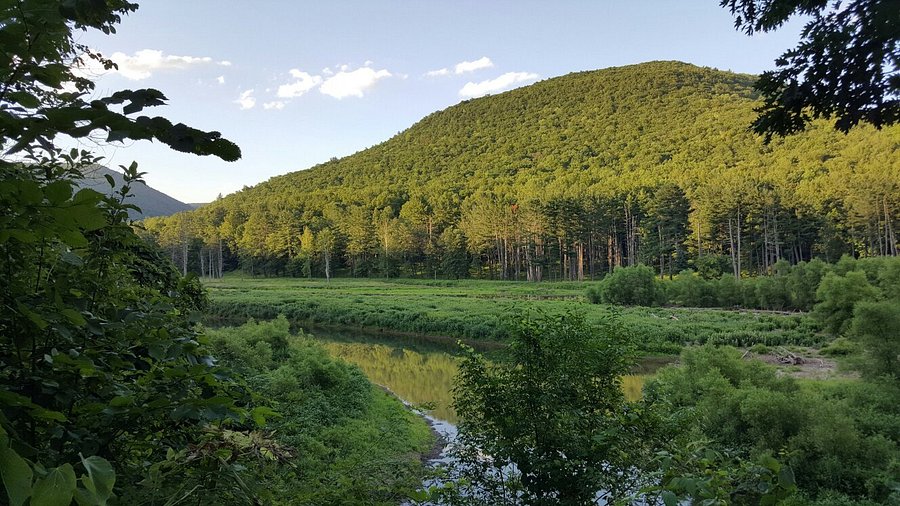
In the heart of north central Pennsylvania, where the Tiadaghton State Forest folds into rugged valleys and crystalline waterways, lies Little Pine State Park—a 2,158-acre haven that beckons adventurers and solitude-seekers alike. Tucked away in Lycoming County, this park isn’t just a patch of green on a map; it’s a living tapestry of towering pines, a shimmering 45-acre lake, and trails that whisper stories of the land’s untamed past. For those weary of crowded tourist spots, Little Pine offers a quieter rhythm, where the rush of Little Pine Creek harmonizes with the calls of nesting bald eagles overhead. Established as part of Pennsylvania’s commitment to preserving its natural heritage, the park stands as a testament to the enduring appeal of the Pennsylvania Wilds, drawing visitors who crave authentic encounters with nature.
The Roots of Little Pine: A Historical Tapestry
Little Pine State Park’s story begins in the early 20th century, when Pennsylvania’s conservation efforts gained momentum amid rapid industrialization. The area, once logged extensively for its abundant timber, was reclaimed through the vision of the Civilian Conservation Corps (CCC) during the Great Depression. These young workers built much of the park’s foundational infrastructure, including roads, bridges, and the dam that forms Little Pine Lake. By the 1930s, the park had taken shape, transforming a scarred landscape into a recreational oasis. Today, remnants of that era endure in the sturdy stone structures and the resilient forest that has regrown around them.
Lycoming County’s indigenous history adds deeper layers. The Susquehannock and other Native American tribes traversed these valleys long before European settlers arrived, using the creeks for fishing and travel. Artifacts occasionally surface along the trails, reminders of a time when the land sustained communities in harmony with its cycles. In more recent decades, the park has evolved into a symbol of environmental stewardship, with initiatives to protect its watersheds and wildlife habitats. As climate patterns shift, Little Pine serves as a barometer for the health of the Appalachian ecosystem, where conservationists monitor everything from water quality to forest regeneration.
Geography: Where Mountains Meet the Water
Nestled in Cummings Township, Little Pine State Park sprawls across a dramatic terrain shaped by ancient glaciers and persistent streams. The centerpiece is Little Pine Lake, a man-made reservoir impounded by a dam on Little Pine Creek, offering 45 acres of glassy water ringed by steep, forested hills. Elevations climb from the lake’s shore at around 700 feet to over 1,500 feet on surrounding ridges, creating microclimates that vary from cool, misty valleys to sun-drenched summits.
The park is enveloped by the vast Tiadaghton State Forest, part of the larger Pennsylvania Wilds region—a sprawling wilderness area covering millions of acres. Little Pine Creek, a tributary of Pine Creek, carves through the landscape, its clear waters tumbling over rocks and pooling in eddies perfect for fly-fishing. The geology here is a mix of sandstone and shale, with outcrops revealing layers of time in the form of fossils and striations. In spring, snowmelt swells the creek, while summer droughts reveal sandy beaches along the lake. This dynamic geography not only supports diverse flora— from hemlocks and oaks to wildflowers like trillium—but also influences the park’s weather, with cooler temperatures and higher precipitation than the surrounding lowlands.
Accessing the park is straightforward yet feels like a journey into seclusion. From U.S. Route 220 near Jersey Shore, travelers head north on Pennsylvania Route 44 for about 11 miles to Waterville, then turn onto State Route 4001 for the final four-mile stretch. From the northwest, Route 120 leads to Hyner, followed by Route 44 south. The winding roads build anticipation, revealing glimpses of the valley before the full vista unfolds.
Adventures Await: Activities for Every Explorer
Little Pine State Park pulses with opportunities for outdoor pursuits, catering to both the thrill-seeker and the casual wanderer. Hiking tops the list, with over 10 miles of trails weaving through the forest. The Lakeshore Trail, a gentle 2-mile loop, skirts the water’s edge, offering prime spots for birdwatching and photography. For a challenge, the Mid State Trail—a 327-mile thru-hike spanning Pennsylvania—passes through the park, connecting to panoramic overlooks like the one at the dam’s crest. These paths reveal hidden gems: a secluded waterfall here, a stand of ancient hemlocks there.
Boating enthusiasts flock to the lake, where non-powered vessels and electric motors are permitted. Launch a kayak from the boat ramp and paddle into coves teeming with life, or rent a rowboat for a leisurely afternoon. Fishing is legendary; the creek and lake abound with trout, bass, and panfish. Anglers often recount tales of trophy catches, especially during stocking seasons when rainbow and brown trout are released. In fact, the park’s Trout in the Classroom program, where local students raise and release fish, underscores its commitment to angling education.
Hunting draws crowds in fall, with designated areas for deer, turkey, and small game amid the forest’s understory. Picnicking facilities dot the landscape, complete with grills and pavilions for family gatherings. The shooting range provides a safe space for target practice, adhering to strict safety protocols. For those preferring a slower pace, wildlife watching is unparalleled—binoculars in hand, spot ospreys diving for fish or black bears foraging in berry patches.
Winter transforms the park into a snowy playground. Cross-country skiing and snowshoeing on groomed trails offer serene escapes, while ice fishing on the frozen lake tests patience and skill. Snowmobiling is allowed on designated routes, adding a motorized twist to the quiet season.
Recent visitors on social platforms share their exploits, like one angler who described a dawn casting session where the mist rose like a veil from the water, yielding a stringer of trout. Another hiker posted about stumbling upon a faerie-like glade along the Sandstone Trail, where sunlight filtered through leaves in ethereal patterns. These personal accounts highlight the park’s ability to surprise even seasoned outdoorspeople.
Wildlife Wonders: A Symphony of Nature
The biodiversity at Little Pine State Park is a draw for naturalists and photographers. Nesting bald eagles command attention, their massive nests perched in tall pines overlooking the lake. These majestic birds, symbols of American resilience, have rebounded thanks to conservation efforts, and spotting one soaring overhead is a highlight for many.
Mammals thrive here too: white-tailed deer graze in meadows, while elusive bobcats and coyotes prowl the underbrush. Black bears, though shy, occasionally amble through campsites, prompting reminders to secure food. The forest floor buzzes with smaller creatures—chipmunks, squirrels, and a variety of amphibians in the wetlands.
Birdlife is prolific, with over 100 species recorded. Warblers flit through spring canopies, while owls hoot nocturnally. The park’s wetlands support herons and ducks, and the Autumn Festival often features bird-banding demonstrations. Reptiles and insects add to the mix; watch for timber rattlesnakes in rocky areas or butterflies dancing among wildflowers.
Environmental education programs amplify this wildlife focus. Seasonal offerings include guided walks on botany, astronomy sessions under dark skies, and hands-on crafts for families. Schools and groups can book curriculum-based sessions, fostering the next generation of stewards.
Staying the Night: Facilities and Comforts
Accommodations at Little Pine blend rustic charm with modern conveniences. The campground, with 104 sites, accommodates tents, RVs, and even yurts for a touch of glamping. Electric hookups, showers, and flush toilets ensure comfort, while pet-friendly options welcome four-legged companions. Reservations are essential, especially in peak summer months, and can be made online or by phone.
The beach area invites swimming from Memorial Day to Labor Day, with lifeguards on duty. Picnic pavilions, rentable for events, overlook the lake, perfect for reunions or weddings. The park office serves as an information hub, stocking maps and brochures.
For day-trippers, ample parking and accessible features— including paved paths and adaptive equipment—make the park inclusive. Cell service can be spotty, so downloading maps beforehand is wise. In emergencies, the nearest hospital is in Jersey Shore, about 20 miles away.
Campers often rave about the site’s cleanliness and the soothing sound of the creek at night. One reviewer noted the bathhouses’ spotless condition, while another praised the proximity to hiking trails, allowing seamless transitions from tent to trail.
Seasonal Splendors: Year-Round Allure
Little Pine State Park shines in every season, each offering distinct flavors. Spring awakens with blooming wildflowers and migrating birds, ideal for early hikes before the crowds. Summer buzzes with lake activities, from swimming to boating, under long daylight hours.
Fall is arguably the park’s crowning glory. Foliage erupts in crimson and gold, drawing leaf-peepers to overlooks. The Annual Autumn Festival, held on the second full weekend in October, features crafts, guided tours, and displays by conservation groups—a celebration of harvest and heritage.
Winter cloaks the landscape in snow, muting sounds and sharpening vistas. Trails become corridors for introspection, with occasional wildlife tracks revealing hidden dramas.
Visitors adapt accordingly: one X user shared photos from a winter campfire, bundled against the chill, while another captured autumn’s vibrancy from the dam’s viewpoint.
Practical Wisdom: Tips for Your Visit
Planning a trip to Little Pine requires foresight. The park operates from sunrise to sunset year-round, with overnight areas on seasonal schedules—check ahead. Entrance is free, but camping fees apply; book via ReserveAmerica.
Rules emphasize respect: leashed pets, no alcohol in day-use areas, and “leave no trace” principles. Hunting follows state regulations, and boating requires life jackets. For accessibility, the park offers accommodations; contact staff for details.
Pack essentials like insect repellent, sturdy shoes, and binoculars. Weather can change swiftly, so layers are key. If driving an RV, note the winding access roads.
Locals and repeat visitors advise arriving early for prime campsites and exploring off-peak for solitude. One tip from an X post: visit during trout stocking for angling thrills.
Reflections on a Timeless Retreat
Little Pine State Park isn’t merely a destination; it’s a sanctuary where the clamor of modern life fades into the rustle of leaves and the lap of waves. In an era of digital distractions, this corner of the Pennsylvania Wilds reminds us of nature’s quiet power to restore and inspire. Whether casting a line at dawn, hiking to a vista at dusk, or simply sitting by the fire under a starlit sky, the park fosters connections—to the land, to wildlife, and to ourselves.
As pressures on natural spaces mount, places like Little Pine underscore the importance of preservation. Supporting initiatives through visits, donations, or advocacy ensures future generations inherit this legacy. So, lace up your boots, pack your sense of wonder, and venture into the embrace of Little Pine—where every path leads to discovery.