



Pennsylvania’s dance landscape pulses with a rhythm that echoes through centuries, blending the elegance of classical ballet with the raw energy of contemporary forms. From the cobblestone streets of colonial Philadelphia, where elite assemblies waltzed under candlelight, to the bustling stages of Pittsburgh and beyond, the state has cultivated a vibrant ecosystem of performers, educators, and innovators. In an era where digital distractions often eclipse live arts, Pennsylvania’s commitment to dance stands as a beacon of cultural resilience. This post delves into the intricate tapestry of ballet and broader dance traditions here, highlighting how they foster community, preserve heritage, and propel artistic boundaries forward. Far from a mere pastime, dance in Pennsylvania embodies a dialogue between past and present, where every pirouette and leap tells a story of human expression.

Historical Roots: From Colonial Assemblies to 20th-Century Foundations
The story of dance in Pennsylvania begins in the 18th century, rooted in social customs that bridged European influences and emerging American identities. Established in 1748, the Philadelphia Dancing Assembly emerged as one of the nation’s earliest organized dance events, drawing the city’s affluent class to gatherings where men and women paired off in meticulously choreographed minuets and country dances. These assemblies, held in venues like the opulent City Tavern, were more than entertainment; they served as social rituals that reinforced class structures while importing English dance manuals and trends. By the late 1700s, publications such as “Twenty Four American Country Dances” circulated, signaling a budding transatlantic exchange where Philadelphia’s dancers began contributing original steps to the global repertoire.
As the 19th century unfolded, dance diversified amid waves of immigration. In rural pockets, Pennsylvania Dutch communities—descendants of German settlers—engaged in folk dances like hoedowns, though religious conservatism often tempered such activities. Historical accounts note that until the mid-20th century, Saturday night barn dances were a staple in eastern Pennsylvania, featuring lively fiddles and square dances that emphasized communal joy over individual flair. Yet, in urban centers like Reading, dance intertwined with acrobatics, elocution, and social etiquette classes, laying groundwork for more formalized training. By 1850-1950, Reading’s dance scene evolved from vaudeville influences to structured studios, reflecting broader American shifts toward professional performance.
The 20th century marked a pivotal surge in ballet’s prominence. Catherine Littlefield, a Philadelphia native born in 1905, became an unsung architect of American ballet. Founding the Philadelphia Ballet School in 1935, she trained dancers who later joined George Balanchine’s ensembles, infusing local talent into national spotlights. Her vision extended to choreographing the first full-length American ballet, “Sleeping Beauty,” in 1937, challenging European dominance. Post-World War II, the state’s dance infrastructure solidified. In 1960, Joan Myers Brown opened the Philadelphia School of Dance Arts, addressing the lack of opportunities for Black dancers and paving the way for inclusive training. Three years later, Barbara Weisberger, a Balanchine protégé, launched the Pennsylvania Ballet (now Philadelphia Ballet), with the master choreographer himself advising on repertoire. This era also saw the rise of modern dance, influenced by pioneers like Martha Graham, whose Pennsylvania roots in Allegheny County inspired generations to explore emotional depth through movement.
By the 1970s, companies like Philadanco—founded by Myers Brown in 1970—emerged as powerhouses of African-American dance, blending ballet, modern, and jazz to challenge racial barriers. Pittsburgh, too, entered the fray with the Pittsburgh Ballet Theatre in 1969, transforming industrial grit into graceful artistry. These developments weren’t isolated; they mirrored Pennsylvania’s industrial-to-cultural evolution, where steel mills gave way to stages, and dance became a vehicle for social commentary and healing.
Pioneering Figures: Icons Who Defined and Defied Boundaries
No discussion of Pennsylvania’s dance heritage is complete without honoring the individuals whose visions ignited stages worldwide. Martha Graham, born in 1894 in Allegheny (now part of Pittsburgh), revolutionized modern dance with her technique emphasizing contraction and release, drawing from inner emotional landscapes. Her company, established in 1926, trained luminaries like Merce Cunningham and Paul Taylor—another Pennsylvanian, hailing from Wilkinsburg in 1930. Taylor’s choreography, blending humor and profundity in works like “Esplanade,” influenced countless ensembles, including those back home.
Gene Kelly, Pittsburgh’s charismatic son born in 1912, brought dance to Hollywood’s masses through films like “Singin’ in the Rain.” His athletic style fused tap, ballet, and acrobatics, making movement accessible and joyous. On the ballet front, Barbara Weisberger’s tenacity built the Pennsylvania Ballet from a dream into a national force; her 2021 passing at 94 underscored her enduring legacy. Joan Myers Brown, often called the “Godmother of Philadelphia Dance,” broke barriers as a Black ballerina in the 1950s before founding Philadanco, which has toured globally and nurtured talents like Zane Booker.
Other notables include Barton Mumaw from Hazleton, a key figure in Ted Shawn’s all-male dance troupe in the 1930s, promoting masculine expression in dance. Contemporary voices like Angel Corella, artistic director of Philadelphia Ballet since 2014, infuse Spanish flair into classical works. Choreographers such as Darrell Grand Moultrie and Jessica Lang, who have collaborated with Pennsylvania companies, add layers of innovation. These figures aren’t mere historical footnotes; they represent Pennsylvania’s knack for producing artists who challenge norms, from Graham’s psychological depth to Kelly’s populist appeal, ensuring the state’s influence resonates far beyond its borders.
Major Companies: Pillars of Performance and Innovation
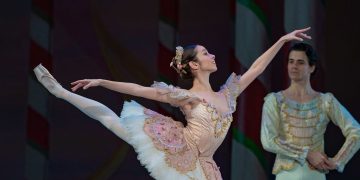
Pennsylvania boasts a constellation of dance companies that rival any state’s, each carving unique niches in ballet and beyond. At the forefront stands Philadelphia Ballet, the largest in the region, renowned for its annual seasons featuring Balanchine’s masterpieces like “The Nutcracker” and “Swan Lake.” With over 40 dancers, the company performs at venues like the Academy of Music, blending tradition with premieres that push technical boundaries. Its rebranding from Pennsylvania Ballet in 2021 reflects a forward-looking ethos, emphasizing accessibility through community outreach.
In Pittsburgh, the Pittsburgh Ballet Theatre (PBT) serves as the city’s ambassador for classical excellence since 1969. With a repertoire spanning Giselle to contemporary works by Twyla Tharp, PBT’s 30-plus dancers perform at the Benedum Center, often incorporating live orchestra for immersive experiences. Texture Contemporary Ballet, also in Pittsburgh, fuses ballet with modern elements, staging innovative pieces that explore human connections in intimate settings like the New Hazlett Theater.
Philadelphia’s BalletX, founded in 2005, epitomizes contemporary ballet, commissioning over 100 world premieres from choreographers like Matthew Neenan. Their bold, athletic style draws diverse audiences to the Wilma Theater. Philadanco, the Philadelphia Dance Company, champions African-American narratives through high-energy performances blending Horton technique with jazz influences, touring internationally while rooting deeply in local communities.
Smaller yet impactful groups include Roxey Ballet in Lambertville, offering inclusive programs with sensory-friendly shows; Berks Ballet Theatre in Reading, a conservatory-turned-company since 1967; and Nittany Ballet in State College, known for family-oriented “Nutcrackers” that introduce ballet to new generations. These ensembles highlight Pennsylvania’s democratic approach to dance— from elite stages to community halls, ensuring artistry thrives at every level.
Educational Institutions: Cultivating Talent from the Ground Up
Education forms the backbone of Pennsylvania’s dance vitality, with institutions spanning pre-professional academies to university programs. The Rock School for Dance Education in Philadelphia, established in 1963, stands as a premier training ground, boasting alumni in companies like New York City Ballet. Its rigorous curriculum, including Vaganova-based ballet and contemporary classes, prepares students for auditions worldwide.
Point Park University’s School of Dance in Pittsburgh ranks among the nation’s top, offering degrees in ballet, modern, and jazz. With guest artists like Alonzo King and Desmond Richardson, the program emphasizes versatility, culminating in performances at the Pittsburgh Playhouse. Central Pennsylvania Youth Ballet (CPYB) in Carlisle, founded in 1955, provides classical training for ages 3 to 19, with a summer intensive drawing international students. Its alumni grace stages from American Ballet Theatre to Boston Ballet.
The School of Philadelphia Ballet offers year-round classes, from children’s divisions to trainee programs, fostering technique alongside artistry. Messiah University’s Dance Education major uniquely prepares teachers for PreK-12 certification, blending pedagogy with performance. Other gems include the Pennsylvania Academy of Ballet in Narberth, founded in 1974 by former Balanchine dancers Margarita and John White, and the Philadelphia Dance Academy, which includes boys’ scholarships and theater dance.
University-affiliated groups like Penn Dance at the University of Pennsylvania infuse campus life with modern fusions, while community studios such as Pennsylvania School of the Performing Arts in Media offer accessible classes in hip-hop and lyrical. These institutions not only hone skills but also instill discipline and creativity, ensuring Pennsylvania’s dance pipeline remains robust.
Festivals and Events: Rhythms That Unite Communities
Pennsylvania’s calendar brims with dance festivals and events that transform public spaces into vibrant arenas of expression. The Come Together Dance Festival, hosted by Koresh Dance Company in Philadelphia, spans five nights each November, showcasing over 20 local companies in eclectic styles from contemporary to aerial. It’s a testament to the city’s collaborative spirit, drawing crowds to the Suzanne Roberts Theatre.
In Pittsburgh, Point Park’s Fall Into Dance Festival, launched in 2024, brings regional troupes together for two days of performances and workshops, fostering emerging talent. Lancaster’s Trust Dance Festival in January features professional and pre-professional artists in juried showcases, emphasizing diversity at the Ware Center. Up north, DanceFest Milford in the Poconos offers workshops, panels on identity in art, and daring performances, blending dance with cultural discourse.
Broader arts festivals incorporate dance seamlessly: The Central Pennsylvania Festival of the Arts in State College includes street performances and stage shows, while Jenkintown Festival of the Arts dedicates a dance stage to local studios. Electronic music events like HiJinx Festival in Philadelphia and Elements Music & Arts Festival in Long Pond integrate dance elements, with attendees moving to beats amid immersive installations.
Seasonal staples abound, from widespread “Nutcracker” productions—Nittany Ballet’s innovative takes aim to captivate young audiences—to summer intensives and outdoor series. These events democratize dance, turning spectators into participants and reinforcing Pennsylvania’s role as a cultural hub.
Contemporary Trends: Fusion, Inclusivity, and Digital Integration
Today’s Pennsylvania dance scene thrives on fusion, where ballet meets hip-hop and cultural traditions intermingle. Companies like BalletX experiment with multimedia, incorporating projections and spoken word for immersive narratives. Philadanco’s repertoire increasingly addresses social issues, using movement to spark dialogue on equity.
Inclusivity drives progress: Programs for dancers with disabilities, like Roxey Ballet’s adaptive classes, expand access. Digital platforms have amplified reach; during pandemics, virtual classes from Point Park and Philadelphia Ballet sustained engagement, now evolving into hybrid models. Street dance influences, from Philadelphia’s breakdancing crews to Pittsburgh’s urban festivals, infuse classical forms with grit.
Sustainability emerges as a theme, with eco-conscious choreography highlighting climate concerns. As demographics shift, more voices from immigrant communities enrich the scene, blending Bollywood, Latin, and African styles into Pennsylvania’s mosaic.
Community Impact: Dance as a Force for Connection and Change
Dance in Pennsylvania transcends performance, weaving into the social fabric. Community programs at Philadelphia Ballet engage underserved youth, building confidence through free classes. Philadanco’s D/2 initiative trains apprentices, creating pathways for underrepresented artists.
In rural areas, folk dance revivals preserve Pennsylvania Dutch heritage, fostering intergenerational bonds at festivals. Therapeutic dance in hospitals and senior centers promotes wellness, while school integrations via Messiah’s education grads inspire creativity in classrooms.
Economically, dance boosts tourism; Pittsburgh Ballet Theatre’s seasons draw visitors, stimulating local economies. Culturally, it bridges divides, as seen in collaborative events uniting diverse groups.
Future Horizons: Evolving in an Uncertain World
Looking ahead, Pennsylvania’s dance sector faces challenges like funding cuts but holds promise in innovation. Emerging choreographers, bolstered by grants, will push boundaries, perhaps integrating AI for interactive performances. Expanded education could address talent shortages, while global partnerships enhance diversity.
As climate and social shifts unfold, dance will adapt, serving as a mirror and catalyst. In editorial view, Pennsylvania’s scene—rooted yet forward—poises to lead, ensuring movement remains a vital expression of the human spirit.