




In the rolling hills of Pennsylvania’s Amish country, where horse-drawn buggies clip-clop along winding roads and barns stand sentinel over fertile fields, there’s a culinary secret that’s been passed down through generations like a well-worn quilt. It’s not a hearty stew or a buttery pie, but something far more unassuming yet utterly transformative: chow-chow. This vibrant, tangy relish—a riot of chopped vegetables pickled in a sweet-and-sour brine—has long been a staple on Pennsylvania Dutch tables, elevating simple meals into something memorable. Picture a jar bursting with jewel-toned chunks of green beans, cauliflower florets, bell peppers, and onions, all swimming in a mustard-infused vinegar bath that packs a punch of flavor. It’s the kind of condiment that doesn’t just sit on the side; it steals the show, adding crunch, color, and a zesty kick to everything from hot dogs to holiday hams.
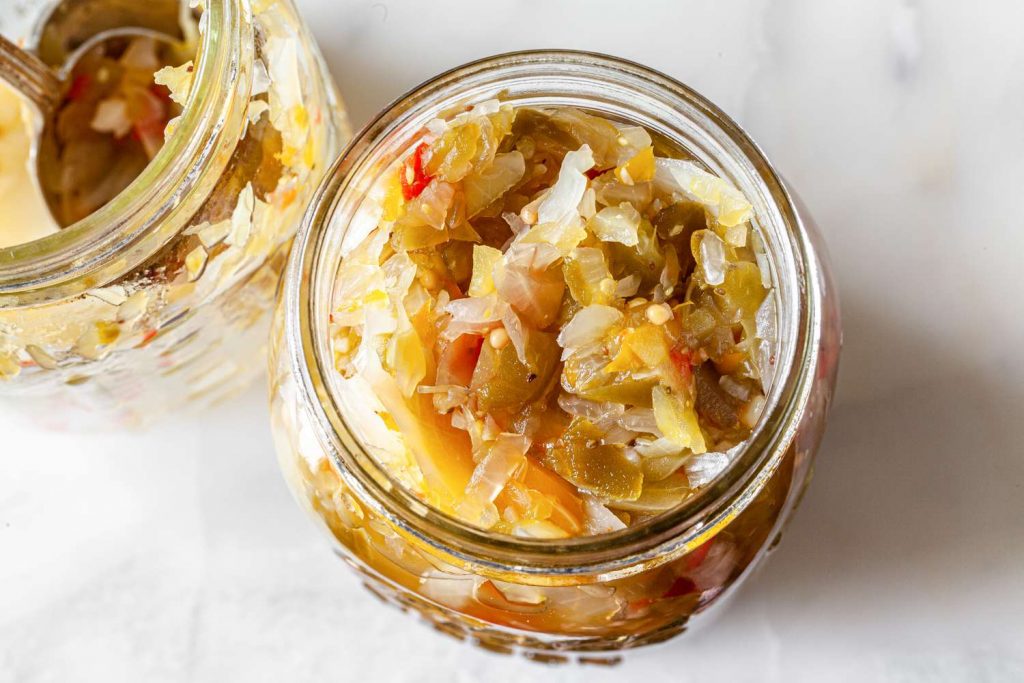
But chow-chow is more than just a pickle—it’s a testament to resourcefulness, a bridge between seasons, and a cultural icon that’s quietly winning over foodies far beyond the Keystone State. In this deep dive, we’ll explore its rich history, dissect its core ingredients, share time-tested recipes, uncover regional variations, delve into its cultural significance, and even dream up modern twists that could bring this classic into your contemporary kitchen. Whether you’re a seasoned canner or a curious eater, prepare to fall in love with chow-chow’s charm. After all, in a world of mass-produced sauces, there’s something profoundly satisfying about a condiment born from the earth’s bounty and human ingenuity.
The Humble Origins: Tracing Chow-Chow’s Pennsylvania Dutch Roots
To understand chow-chow, we must journey back to the 18th century, when German-speaking immigrants—often lumped under the umbrella term “Pennsylvania Dutch” (a misnomer derived from “Deutsch,” meaning German)—settled in the fertile valleys of eastern Pennsylvania. These hardy folk, including Amish and Mennonite communities, brought with them a deep-seated tradition of frugality and preservation. Summers were bountiful, but winters harsh, so every scrap of produce needed to be stretched. Enter chow-chow: a relish designed to use up the odds and ends of the garden harvest, those green tomatoes that never ripened, the last stubborn cabbages, and whatever beans or peppers lingered on the vine.
Historians trace chow-chow’s lineage to similar pickled relishes in European cuisines, but it truly blossomed in America, particularly in Pennsylvania. One theory suggests the name “chow-chow” might derive from the French “chou” for cabbage, or perhaps it’s a nod to the Chinese “chaau,” meaning mixed—though the latter seems more coincidental than causal, given the condiment’s Germanic roots. What we do know is that by the 19th century, chow-chow recipes appeared in Pennsylvania Dutch cookbooks, often as a way to “waste not, want not.” An 1872 recipe, for instance, highlights its simplicity: chopped vegetables brined overnight, then boiled in a spiced vinegar syrup.
In editorial terms, chow-chow embodies the Pennsylvania Dutch ethos of simplicity and sustainability. It’s not flashy like a gourmet salsa or complex like a French remoulade; it’s honest food for honest people. Imagine a farmwife in a calico dress, standing over a woodstove, stirring a pot of bubbling veggies as the autumn leaves fall outside. That’s the romantic heart of chow-chow—a relic of a time when food was about survival as much as savor. Yet, its appeal endures because, in our eco-conscious era, it’s a zero-waste hero. No vegetable left behind, indeed.
The condiment’s popularity spread beyond Pennsylvania, influencing Southern versions in states like Virginia and North Carolina, where it sometimes includes more cabbage or even fruits. But the Pennsylvania Dutch style remains the purist form: tangy, colorful, and unapologetically vegetable-forward. Commercial brands like Wos-Wit’s have kept the tradition alive, offering jars that capture that homemade essence. If you’ve ever attended a Pennsylvania folk festival or visited an Amish market, you’ve likely spotted those glowing jars, beckoning like edible stained glass.
The Building Blocks: Key Ingredients That Make Chow-Chow Sing
At its core, chow-chow is a symphony of textures and tastes, where crunchy veggies meet a puckery brine. The beauty lies in its adaptability—there’s no single “authentic” recipe, but certain ingredients form the backbone. Start with the vegetables: green beans, cauliflower, onions, bell peppers (red and green for that pop of color), carrots, and corn kernels. Green tomatoes often star, adding a firm, tart bite that’s impossible to replicate with ripe ones. In Amish variations, lima beans or kidney beans might join the mix, lending a hearty, protein-packed element.
The brine is where the magic happens. Vinegar—typically apple cider for its mellow fruitiness—provides the acidic punch, balanced by sugar for sweetness. Mustard seeds or prepared mustard add a subtle heat and thickness, while spices like turmeric (for that golden hue), celery seed, and allspice berries infuse warmth. Salt, of course, is essential for drawing out moisture during the initial brining step.
Creatively speaking, chow-chow’s ingredients invite experimentation. Why not toss in some zucchini for extra crunch or jalapeños for a spicy twist? The key is balance: too much vinegar, and it’s mouth-puckering; too little sugar, and it loses that addictive sweet-tart dance. In my view, the best chow-chow strikes a chord reminiscent of bread-and-butter pickles but with more complexity—each bite revealing a new vegetable’s personality.
Preparation is straightforward but time-intensive, a ritual that rewards patience. Chop the veggies uniformly (about 1/4-inch pieces for optimal texture), salt them to weep out excess water, then rinse and boil in the spiced syrup. Canning seals the deal, ensuring shelf-stability for months. It’s labor of love, but oh, the payoff: a pantry stocked with jars that brighten winter days.
Classic Recipes: Step-by-Step Guides to Homemade Chow-Chow
No exploration of chow-chow would be complete without recipes. Let’s start with a traditional Pennsylvania Dutch version, inspired by Amish heritage. This one yields about 8 pints—perfect for gifting or stocking up.
Ingredients:
- 2 cups green beans, chopped
- 2 cups cauliflower florets
- 2 cups green tomatoes, chopped
- 1 cup onions, diced
- 1 cup red bell peppers, diced
- 1 cup green bell peppers, diced
- 1 cup carrots, sliced
- 1/2 cup corn kernels
- 1/4 cup salt (for brining)
- 4 cups apple cider vinegar
- 2 cups sugar
- 1/4 cup mustard seeds
- 2 tbsp celery seeds
- 1 tbsp turmeric
- 1 tsp allspice berries
Instructions:
- In a large bowl, combine all chopped vegetables and sprinkle with salt. Let sit overnight in the refrigerator to draw out moisture.
- The next day, rinse the vegetables thoroughly under cold water and drain.
- In a large pot, mix vinegar, sugar, and spices. Bring to a boil, stirring until sugar dissolves.
- Add the vegetables to the pot and simmer for 10-15 minutes until tender-crisp.
- Pack into sterilized jars, leaving 1/2-inch headspace. Pour hot brine over top.
- Seal and process in a water bath canner for 10 minutes.
This recipe captures chow-chow’s essence: tangy from the vinegar, sweet from the sugar, and colorful as a summer garden. For a quicker version, skip canning and refrigerate for up to two weeks—ideal for beginners.
Another gem is the green tomato-centric chow-chow, a nod to end-of-season preservation. Swap in more green tomatoes and add a pinch of red pepper flakes for heat. Or try a Southern-inflected take with cabbage as the star, boiled briefly to retain crunch.
Editorially, making chow-chow at home is therapeutic—a chance to connect with culinary ancestors. In a fast-food world, it’s a rebellious act of slow food, where the pop of a jar lid signals success.
Variations Across Regions: From Amish to Southern Twists
While Pennsylvania claims chow-chow as its own, variations abound. In Amish communities, it’s often bean-heavy, with limas or kidneys adding substance—think of it as a side dish masquerading as a condiment. These versions pair beautifully with schnitz un knepp (ham and dried apples) or scrapple.
Head south, and chow-chow morphs into something cabbage-dominant, sometimes sweeter or spicier. Nova Scotian chow-chow, intriguingly, focuses on green tomatoes and onions, sans the bells and whistles. Even international echoes exist, like Indonesian acar or Indian chutneys, though they’re distant cousins.
Creatively, I’ve imagined fusion variants: a Korean-inspired chow-chow with gochugaru for kick, or a Mediterranean one with olives and feta brine. The point? Chow-chow’s framework is forgiving, inviting personalization without losing its soul.
Cultural Significance: Chow-Chow as a Symbol of Heritage
Chow-chow isn’t just food; it’s folklore on a fork. In Pennsylvania Dutch culture, it graces every potluck, picnic, and family gathering, symbolizing abundance and thrift. It’s a staple at events like the Kutztown Folk Festival, where jars are judged for color, clarity, and flavor.
Beyond the table, chow-chow reflects immigrant resilience. Those early settlers turned scarcity into savor, a lesson resonant today amid food insecurity discussions. It’s also a bridge to the past—many families guard secret recipes, passed orally like stories around a fire.
In modern Pennsylvania, chow-chow fosters community. Farmers’ markets brim with artisanal versions, supporting local agriculture. Editorially, it’s underrated nationally; while kimchi and sauerkraut get the spotlight, chow-chow deserves its due as America’s original veggie relish.
Modern Twists and Perfect Pairings: Bringing Chow-Chow into Today
Today’s chefs are rediscovering chow-chow, giving it gourmet glow-ups. Imagine it atop avocado toast for a tangy crunch, or mixed into potato salad for zing. Pair it with grilled sausages, where its acidity cuts through richness, or spoon over cheese boards for contrast.
Creative pairings: With burgers instead of relish, in tacos for a pickled pop, or even in cocktails—muddle it into a Bloody Mary for veggie depth. For health nuts, it’s a probiotic powerhouse, low-cal and veggie-packed.
Modern recipes might incorporate heirloom veggies or organic spices, or go vegan by ditching any animal-derived elements (though traditional ones already are). Brands like Savory’s offer ready-made jars, but homemade reigns supreme.
In conclusion, chow-chow is a timeless treasure—tangy, colorful, and deeply rooted in Pennsylvania Dutch tradition. Whether you’re canning your first batch or simply cracking open a jar, it invites you to savor the simple joys of seasonal eating. In a homogenized food landscape, chow-chow stands out as a vibrant reminder: the best flavors often come from the humblest beginnings. So grab your veggies, fire up the stove, and let this classic condiment color your world.