



Philadelphia has never been a city that sits still. From the relentless pace of Center City to the weekend warriors flooding Fairmount Park, there’s a particular kind of energy here — kinetic, stubborn, always reaching for something just out of grasp. It makes sense, then, that indoor rock climbing has found such fertile ground in this city. Not just as a workout, but as a culture, a community, and for many people, a complete reorientation of how they think about their own bodies and limits.
Over the past decade, climbing gyms have quietly become some of the most interesting spaces in urban fitness. Philadelphia is no exception. Whether you’re a first-timer who has never touched a harness or a seasoned boulderer who eats V7s for breakfast, the city and its surrounding region have more to offer than most people realize. This guide covers everything — the gyms, the gear, the grades, the culture, and the honest truth about what it actually feels like to start climbing in a city like Philly.
What Is Indoor Rock Climbing, Really?
Before diving into where to go, it helps to understand what you’re actually getting into. Indoor rock climbing isn’t one thing — it’s several distinct disciplines that share a common ancestor but feel quite different in practice.
Bouldering
Bouldering is climbing without ropes, on shorter walls — typically 12 to 15 feet high — with thick foam crash pads below. Problems (the term climbers use for routes) are marked by colored holds and graded on the V-scale, from V0 (beginner) up through V17 (elite). The appeal is immediate: no gear, no partner needed, just you and the wall. Bouldering gyms tend to have an informal, social atmosphere. People cluster around hard problems, offer beta (advice on movement), and celebrate sends (successful completions) from strangers like they’re old friends.
Top-Rope Climbing
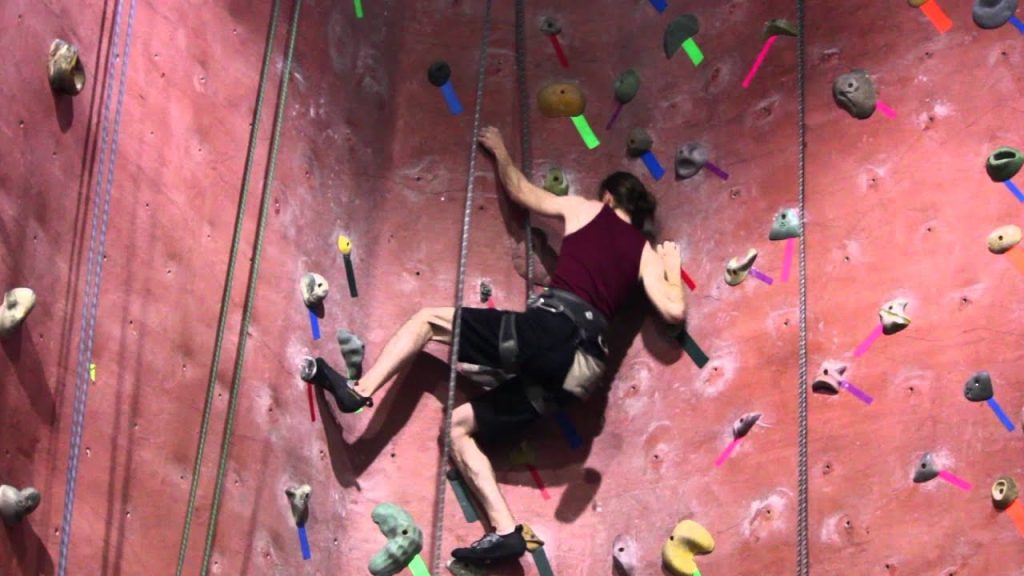
Top-rope climbing involves a rope anchored at the top of the wall that runs through a belay device held by a partner on the ground. When you fall, the rope catches you almost immediately. It’s the gentlest introduction to roped climbing, and most gyms offer it on walls ranging from 30 to 60 feet. Routes are graded on the Yosemite Decimal System (YDS), running from 5.5 (very beginner) up to 5.15 (world class). As a new climber in Philly, you’ll likely spend a lot of time in the 5.6–5.10 range, which is a perfectly respectable place to be.
Lead Climbing
Lead climbing is top-rope’s more demanding sibling. Instead of the rope being pre-anchored at the top, the climber clips the rope into protection points (quickdraws) as they ascend. Falls are longer and more dynamic. The mental game is harder. It requires a lead belay certification and a different mindset. Many gym climbers eventually transition to lead as they develop confidence; many others are perfectly happy never to bother.
Auto-Belay
Auto-belay devices are mechanical systems that allow you to climb without a partner. You clip in, climb up, and the device slowly lowers you when you let go or reach the top. They’re a godsend for solo climbers and a great way to log mileage on routes without waiting for a belay partner.
The Philadelphia Climbing Scene: An Overview
Philadelphia’s climbing gym landscape has grown substantially. The city proper and its immediate suburbs now offer multiple facilities, each with its own personality, strengths, and community. Here’s an honest breakdown of what you’ll find.
Philadelphia Rock Gyms (PRG)
PRG is the elder statesman of Philly climbing. With locations in Horsham, Oaks, and Conshohocken, it has been the training ground for countless local climbers over the years. The gyms are well-established, with extensive route-setting programs, youth teams, and coaching. PRG tends to attract a range of ages and experience levels — you’ll see families on a Saturday afternoon and training-focused athletes grinding on a Tuesday evening. The walls are varied, with decent overhang sections and a solid rope climbing program alongside bouldering.
What PRG does particularly well is programming. Classes for beginners are frequent and well-structured, and the staff tends to be knowledgeable. If you’re brand new to climbing, starting here gives you solid fundamentals.
The Cliffs at Iron Works (Bouldering)
Located in the Fishtown neighborhood — which tells you something about its clientele — The Cliffs is a dedicated bouldering facility that opened with considerable fanfare and earned it. The space is large, the setting is industrial-chic, and the route-setting is genuinely creative. Problems range from beginner-friendly to competition-level, and the staff resets sections regularly so the gym doesn’t go stale.
The community at The Cliffs skews young and diverse. Weekend mornings can get crowded, but the vibe remains collegial. There’s also a strong focus on training — you’ll find hangboards, a campus board, and cardio equipment alongside the bouldering terrain. If pure bouldering is your focus, this is a compelling option.
Gravity Vault (Multiple Locations)
Gravity Vault is a regional chain with locations that serve the greater Philadelphia area, including spots in Berwyn and other suburban communities. The gyms are clean, well-maintained, and beginner-friendly in orientation. They’re particularly good for families and casual climbers who want a reliable, low-pressure experience. The route-setting is competent if not groundbreaking, and the staff is consistently welcoming.
Gravity Vault gyms are also strong on programming — beginner courses, kids’ classes, and birthday party packages are all well-organized. If you live in the suburbs and want consistent access to climbing without the commute to the city, these locations are worth a membership.
Getting Started: Your First Visit to a Philly Climbing Gym
Walking into a climbing gym for the first time can feel disorienting. Walls loom overhead at odd angles. Everyone seems to know exactly what they’re doing. People are talking in what sounds like a foreign language (flash, crimp, dyno, heel hook). Here’s how to navigate it without feeling overwhelmed.
Book an Intro Class
Every reputable climbing gym in Philly offers some version of an introductory experience — often called a “Intro to Climbing” class or a guided first-visit session. Take it. Even if you’re athletic and confident in other sports, climbing has enough technical nuance that a structured introduction saves you weeks of fumbling around with bad habits. You’ll learn how to put on a harness, tie a figure-eight knot, operate a belay device, and read the basic communication protocols between climber and belayer.
Rent Gear First
You do not need to buy gear on your first visit. Every gym rents climbing shoes, harnesses, and belay devices at reasonable rates. Climbing shoes are the one piece of equipment that makes the biggest difference in performance, but rental shoes are perfectly adequate for beginners. Once you’re going three or four times a month and you know you’re hooked, then consider buying your own pair.
Understand the Grading
Don’t obsess over grades when you’re starting out. It’s tempting — the grading system is visible and quantifiable, which makes it feel like the metric that matters. But in the early stages, the real goal is movement quality: learning to use your feet properly, trusting your footwork, and developing a sense of body positioning. The grades will come.
Ask Questions
The climbing community in Philadelphia, as in most cities, is genuinely welcoming to beginners. If you’re stuck on a problem or confused about technique, most people are happy to offer advice when asked. Don’t be shy. The culture around sharing beta (movement tips and sequences) is one of the genuinely lovely things about climbing.
Training Culture: How Serious Philly Climbers Get Better
Once climbing stops being a novelty and becomes a genuine pursuit, training enters the picture. Philadelphia’s gyms offer enough infrastructure that you can make real progress without ever going outside.
Hangboard Training
Finger strength is the long-term currency of climbing improvement. Hangboards — wooden or resin boards with various edge sizes — allow you to train grip and contact strength systematically. Most gyms have them mounted near the training area. Beginner climbers are typically advised to wait until they have about six months of consistent climbing before starting formal hangboard training, as the tendons in the fingers need time to adapt. Ignoring this advice is a reliable way to end up injured.
The Campus Board
The campus board is a series of wooden rungs mounted on a steep overhang — no feet allowed. It trains explosive upper-body power and dynamic movement. Watching someone flow through a campus board sequence is impressive; doing it yourself for the first time is humbling. Campus training is best suited to intermediate and advanced climbers.
Structured Coaching
Several Philly gyms offer individual coaching and small-group training programs. If you’re serious about improving, even a few sessions with a qualified coach can dramatically accelerate your development. Good coaches don’t just give you move-by-move instructions; they help you identify movement patterns, address weaknesses, and develop a sustainable training plan.
Cross-Training for Climbers
Climbing is a pulling-dominant sport, which creates muscle imbalances over time if you don’t address them. Smart climbers in Philly supplement their wall time with antagonist training — push-ups, dips, shoulder external rotation exercises — to keep the body balanced and injury-resistant. Yoga and mobility work are also widely popular among the climbing community for good reason.
The Social Dimension: Why People Really Keep Coming Back
Here’s something that doesn’t appear in gym brochures but matters enormously: indoor rock climbing is one of the best social sports going. It’s inherently partner-dependent for roped climbing and naturally collaborative in bouldering. You end up talking to strangers. You share problems. You celebrate each other’s progress in ways that feel organic rather than forced.
Philadelphia’s climbing community reflects the city’s personality — unpretentious, a little rough around the edges, deeply loyal once you’re in. The gyms serve as genuine gathering points. There are climbing clubs, training groups, outdoor meetups, and social events organized through both the gyms and independent community channels.
For people who move to Philadelphia and don’t yet have established social networks, joining a climbing gym is one of the faster routes to finding a community. The shared experience of working on problems together, encouraging each other, and occasionally spotting someone through a scary move builds a particular kind of trust quickly.
Taking It Outside: From Philly Gyms to Real Rock
Indoor climbing is genuinely satisfying on its own terms, but for many people it eventually becomes a stepping stone to outdoor climbing. Philadelphia’s geographic location is fortunate in this regard.
Wissahickon Valley Park
Within city limits, the Wissahickon offers bouldering on schist outcroppings that have been used by Philly climbers for generations. The rock is gritty and technical, the setting is beautiful, and the approach is short. It’s not the most extensive bouldering destination in the region, but it’s accessible in a way that nothing else is.
Birdsboro Quarry
About an hour from Center City, Birdsboro (also known as Peter’s Mountain or the Birdsboro boulders) offers quality sandstone bouldering in a quiet setting. The rock quality is good, the problems are varied, and it’s rarely crowded on weekdays.
Delaware Water Gap
The Gap, straddling the Pennsylvania-New Jersey border along the Delaware River, is the primary destination for Philly-area rope climbers. Dunnfield Creek, Mount Tammany, and various crags along the ridge offer routes across a wide range of grades on solid quartzite. Weekend trips to the Gap are a rite of passage for Philadelphia climbers.
New River Gorge
A longer drive — about five hours — but West Virginia’s New River Gorge National Park is one of the premier climbing destinations in the eastern United States. Harder sandstone, an enormous variety of routes, and a landscape that earns its national park designation. Many Philadelphia climbing crews make an annual trip. Once you go, you understand why.
Gear Guide: What You Actually Need
The beauty of starting indoor climbing in Philly is that you need almost nothing initially. As you progress, gear investment becomes more relevant. Here’s an honest breakdown.
Climbing Shoes (Essential)
The single most important piece of gear. Good shoes transfer force precisely to the wall and allow technical footwork that’s impossible in sneakers. Beginners should look for a flat or mildly downturned shoe — aggressive downturned shoes are for advanced climbers and are genuinely uncomfortable for all-day wear. Brands like La Sportiva, Scarpa, and Black Diamond all make solid entry-level options available at gear shops in the Philly area.
Harness
If you’re doing any roped climbing, you’ll need a harness. Gym harnesses are fine to rent indefinitely, but owning one is more comfortable and hygienic. Entry-level harnesses from Black Diamond, Petzl, or Mammut run $50–$80 and will last years with proper care.
Chalk and Chalk Bag
Chalk absorbs sweat from your hands and improves grip. Most gyms require chalk to be used in a chalk bag rather than loose (it’s cleaner and more respectful of the equipment). A chalk bag and a refillable chalk ball run about $20–$30 combined.
Belay Device
If you get belay certified, you’ll want your own belay device. The Black Diamond ATC is the industry-standard beginner device; the Petzl Grigri is the popular assisted-braking alternative. The Grigri costs more but provides an extra margin of safety and is worth the investment for regular use.
What You Don’t Need Right Away
Crash pads (for outdoor bouldering), lead rope, quickdraws, cams, nuts — none of this is relevant until you’re well into the sport and headed outside. Don’t let gear acquisition become a substitute for actual climbing.
Health and Fitness Benefits: What Climbing Actually Does to Your Body
Climbing is a legitimately comprehensive workout, which partly explains its rapid growth in urban markets. Here’s what consistent indoor climbing does over time.
Grip and Forearm Strength: The most obvious adaptation. After a few months of regular climbing, the difference in grip strength is measurable and noticeable in daily life.
Back and Shoulder Development: Climbing is a pulling sport. The lats, rhomboids, and rear deltoids develop significantly with consistent training.
Core Strength: Every move on the wall requires core engagement to maintain body tension and transfer force efficiently. Climbers develop functional core strength without a single sit-up.
Balance and Proprioception: The sport demands constant body awareness and fine motor control. Balance improves in ways that transfer to other athletic pursuits.
Mental Focus: Route-reading, problem-solving, and managing fear are all cognitive demands. Climbing has a meditative quality that many practitioners find as valuable as the physical benefits. When you’re twenty feet off the ground working through a crux sequence, nothing else occupies your mind.
Weight Management: A solid climbing session burns significant calories — estimates range from 500 to 900 per hour depending on intensity — while building muscle simultaneously.
The Honest Challenges: What Nobody Tells Beginners
No guide is complete without candor. Indoor rock climbing has a learning curve that can be frustrating, and a few things catch newcomers off guard.
The Plateau: Beginners improve rapidly for the first three to six months. Then progress slows dramatically. This is normal and universal, but it can feel discouraging if you’re not expecting it. Pushing through the intermediate plateau requires more deliberate training and patience.
Finger Injuries: Pulley injuries — specifically in the A2 pulley of the ring finger — are the most common climbing injury, and they happen to beginners who progress too fast. The muscles adapt faster than the tendons. Respect rest days. Don’t try to flash every hard problem your second month in.
The Shoes: Rental shoes smell. Your own shoes will eventually also smell. This is part of the deal.
Partner Dependency: If you want to do roped climbing and don’t have a regular partner, finding a consistent belay partner takes time. Bouldering sidesteps this problem entirely, which is one reason it’s grown so popular in urban settings.
Gear Costs Add Up: Once you’re serious, the costs of shoes (which wear out), chalk, gym memberships, outdoor trips, and eventual gear purchases accumulate. It’s not a cheap hobby in the long run, though the gym membership cost per session is usually competitive with CrossFit or boutique fitness studios.
Philadelphia’s Climbing Calendar: Events and Community
The Philly climbing scene has a social infrastructure worth knowing about.
Local gyms host seasonal competitions — bouldering leagues, speed climbing events, and fun themed competitions that welcome all levels. These events are worth attending even if you don’t compete; they showcase the community at its most energetic and are genuinely entertaining to watch.
Outdoor meetups organized through gym social media pages and Meetup groups run throughout the spring, summer, and fall, targeting destinations like Delaware Water Gap and Birdsboro. These are excellent opportunities to try outdoor climbing with experienced partners in a structured, social setting.
Youth programs at PRG and other gyms feed into a competitive pipeline that has produced nationally ranked junior climbers from the Philadelphia region. The quality of junior coaching in the area is high, and the programs are a genuine pathway for young athletes with competitive aspirations.
Making the Decision: Is Indoor Climbing Right for You?
If you’re physically active and looking for something that challenges both body and mind, indoor rock climbing in Philadelphia is an easy recommendation. It’s accessible at a beginner level without requiring extraordinary fitness, and it scales in difficulty and complexity as far as you want to take it.
The city’s gym infrastructure is solid enough to support serious training. The outdoor access is good enough to transition naturally when the time comes. The community is welcoming and largely unpretentious. The facilities keep improving.
What makes climbing in Philadelphia specifically worth pursuing isn’t just the walls themselves — it’s the particular kind of person the sport attracts in this city. Practical, direct, not easily impressed, but genuinely supportive of people putting in real effort. That’s a good community to be part of.
Go find a wall. Rent some shoes. Try something that’s harder than it looks. That’s how it starts for everyone.
Whether you’re lacing up rental shoes for the first time at PRG or projecting a hard line at The Cliffs in Fishtown, Philadelphia’s indoor climbing scene has a place for you. The walls are waiting.