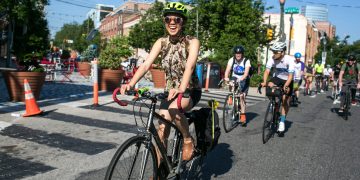




Philadelphia doesn’t always top the lists of America’s great cycling cities. It lacks the breezy, flat waterfront of Chicago’s lakefront trail or the obsessive infrastructure investment of Minneapolis. But ask anyone who actually rides here — the longtime commuters, the weekend trail explorers, the fixie crowd in Fishtown — and they’ll tell you something the rankings miss: Philadelphia is one of the most satisfying cities in the country to ride a bike.
It’s gritty and beautiful in equal measure. The streets have character (read: potholes with personality). The neighborhoods shift dramatically from block to block. And the city’s trail network, particularly along the Schuylkill River, rivals anything on the East Coast. Whether you’re clipping in for the first time or you’ve been riding for years, Philly has something for your wheels.
This guide covers everything — the best routes, the neighborhoods to explore, where to lock up, how to stay safe, gear up, and join the community. Let’s get into it.

Why Philadelphia Is a Better Cycling City Than You Think
The perception problem is real. Philadelphia has a reputation for aggressive drivers, uneven pavement, and a transit culture more accustomed to subways and buses than spandex. That reputation isn’t entirely wrong. But it’s also very 2010.
Over the past decade, Philadelphia has quietly transformed its cycling infrastructure. The city now has over 300 miles of bike lanes, a robust Indego bike-share network, and a Vision Zero commitment that has shifted how city planners think about street design. The result is a city that, while imperfect, is far more rideable than its reputation suggests.
What makes Philly genuinely compelling for cyclists is the density of interesting destinations within a short radius. In a single 10-mile ride, you can pass through Center City, cross into West Philadelphia, arc through University City, and return along the Schuylkill — having moved through four distinct urban environments without ever touching a highway. That kind of ride diversity is rare.
The Best Bike Routes in Philadelphia
The Schuylkill River Trail (SRT): Philadelphia’s Crown Jewel
If you ride one route in Philadelphia, it’s this one. The Schuylkill River Trail runs along the western edge of the city, following the river from near Manayunk down into the urban reaches past Grays Ferry. The stretch from Falls Bridge through Fairmount Park to the Art Museum steps is particularly beloved — a smooth, car-free paved path that feels like a reward for living in this city.
On weekends, the SRT gets busy. Families, runners, dog walkers, and serious cyclists all share the path, which means you’ll need to dial back your speed and stay alert. On weekday mornings before 8 a.m., it transforms into a near-private road, perfect for training rides or peaceful solo commutes.
Distance: Approximately 6 miles within city limits (extends to 75+ miles regionally) Surface: Paved Difficulty: Easy to moderate Best for: Commuters, recreational riders, fitness cyclists
Kelly Drive: The Classic Philly Ride
Kelly Drive runs along the east bank of the Schuylkill, cutting through the heart of Fairmount Park. It’s the city’s most storied cycling road — generations of Philadelphians have learned to ride here, trained for triathlons here, had first-date picnics along this stretch. The boathouses of Boathouse Row are a quiet landmark along the way, and the views across the water to the trees of Fairmount Park are genuinely beautiful in any season.
The road shares space with vehicles, but the speeds are lower here than elsewhere, and drivers tend to be accustomed to cyclists. A dedicated cycling lane runs alongside much of the route.
Distance: About 4.5 miles one way to Falls Bridge Surface: Paved road with bike lane Difficulty: Easy Best for: All skill levels, families, first-time city cyclists
Wissahickon Valley Park: Trail Riding Within City Limits
Few cities can claim something like Wissahickon. This is a genuine gorge — steep, wooded, dramatic — that sits entirely within Philadelphia’s city limits. The main trail, Forbidden Drive, is unpaved and closed to motor vehicles, running for about 5.5 miles along the creek. It’s beautiful, peaceful, and draws mountain bikers, trail riders, and hikers in equal numbers.
Note: Traditional mountain bikes or gravel bikes work best here. Road bikes with thin tires will struggle on the packed gravel surface. There are also side trails with more technical terrain if you’re looking for a challenge.
Distance: 5.5 miles (Forbidden Drive main trail) Surface: Packed gravel/dirt Difficulty: Easy to moderate (with harder side trails available) Best for: Trail riders, mountain bikers, gravel cyclists
The Cynwyd Heritage Trail
Starting at the Cynwyd train station just outside city limits, this trail connects to Fairmount Park and offers a lovely, low-traffic corridor. It’s particularly popular among commuters who live in the near suburbs and want a car-free way to enter the city. The connection to the regional rail system makes it a genuinely useful transportation tool, not just a recreational ride.
Distance: 2 miles (extending further via connections) Surface: Paved Difficulty: Easy Best for: Commuters, suburban-to-city riders
The South Philly Grid: For Urban Explorers
South Philly doesn’t have a signature trail. What it has is a dense, mostly flat street grid with protected lanes on key corridors like Spruce and Pine Streets — the so-called “bicycle highway” through Center City. These lanes run east-west and connect to neighborhoods like Queen Village, Bella Vista, and the Italian Market. For urban cyclists who like exploring at street level, stopping at coffee shops, dodging double-parked delivery trucks (it happens), and watching the city move, South Philly’s grid is endlessly interesting.
Neighborhood Cycling Breakdown
Not every neighborhood offers the same experience behind the handlebars. Here’s a quick rundown of what to expect:
Fishtown & Northern Liberties: Flat, mostly manageable streets with a strong cycling culture. Plenty of bike parking, coffee shops with outdoor racks, and fellow riders to nod at. A great base for urban exploration.
Manayunk: The hills are real. The Manayunk Wall is famous among racing cyclists — a steep, punishing climb that shows up in the annual Philadelphia International Cycling Championship. If you’re into climbing, you’ll love it. If you’re not, stick to the river trail below.
West Philadelphia & University City: Wide streets, some bike infrastructure, a heavily bike-friendly culture driven by the university community. Penn’s campus is easy to navigate by bike and connects to the Schuylkill trail system.
Germantown & Chestnut Hill: Rolling terrain, historic streets, and a neighborhood feel. The hills add challenge, and some streets are narrow, but the riding through historic Germantown can be spectacular.
Old City & Center City: The downtown core is busy and occasionally chaotic. The protected lanes on Spruce and Pine are your best friends here. Avoid Broad Street during rush hour if you can.
Comparison Table: Philadelphia’s Top Cycling Routes
| Route | Distance | Surface | Difficulty | Car-Free? | Best For |
|---|---|---|---|---|---|
| Schuylkill River Trail | 6 mi (city) | Paved | Easy–Moderate | Yes | Commuters, recreational |
| Kelly Drive | 4.5 mi | Paved road | Easy | No (shared) | All levels, families |
| Wissahickon (Forbidden Drive) | 5.5 mi | Gravel/dirt | Easy–Moderate | Yes | Trail, gravel bikes |
| Spruce/Pine Street Lanes | ~3 mi | Paved road | Easy | No (protected) | Urban commuters |
| Cynwyd Heritage Trail | 2 mi+ | Paved | Easy | Yes | Suburban commuters |
| Manayunk Wall Climb | 0.2 mi | Road | Hard | No | Advanced climbers |
Safety in Philadelphia: What Every Cyclist Needs to Know
Philadelphia is not a dangerous city to ride in — but it’s also not a forgiving one for inattention. Here’s what keeps experienced Philly cyclists alive and uninjured:
Always Assume the Door Is Opening
Dooring — when a driver opens a car door directly into a cyclist’s path — is one of the leading causes of urban cycling injuries. In Philly, with its density of street parking on major corridors, it’s a constant hazard. Ride at least one full door-width away from parked cars at all times. It feels too far until the first time a door swings open two feet in front of you.
Track SEPTA Rail Crossings
SEPTA’s trolley tracks run along a number of Philadelphia streets, including Baltimore Avenue in West Philly and South Street. These tracks are genuinely dangerous for cyclists because a thin tire can drop into the groove and flip a bike instantly. Cross them at a perpendicular angle — not diagonally — and be especially careful in wet conditions.
Lights Are Non-Negotiable After Dark
Philadelphia police do issue citations to cyclists riding without lights after dark, but the bigger motivation should be visibility. Philly’s streets, particularly in residential neighborhoods, can be dramatically dark. A good front light (at least 400 lumens) and a rear blinkie are non-negotiable equipment.
Use the Infrastructure That Exists
The Spruce and Pine Street protected lanes are among the most significant cycling investments the city has made. Use them. They exist for a reason, and riding in them is dramatically safer than riding in the general traffic lane one block over.
Getting Around with Indego: Philadelphia’s Bike Share
Indego is Philadelphia’s city-run bike-share system, and it’s genuinely good. With over 150 stations across the city and a fleet that includes both standard pedal bikes and e-bikes, it covers a meaningful swath of Center City, South Philly, West Philly, and beyond.
Pricing (as of 2025):
- Single ride: $4 (30 minutes)
- Day pass: $15 (unlimited 60-minute rides)
- Monthly membership: $20 (unlimited 60-minute rides)
- Annual membership: $199
The e-bikes cost slightly more per ride but are worth it on hillier terrain or if you’re arriving at a destination and don’t want to show up sweaty. The app is reliable and the station density in Center City is high enough that you’re rarely more than a few blocks from a dock.
One tip: Indego stations can run out of bikes during peak commute hours near major transit hubs. The app shows live availability, so check before you commit to a route.
Where to Rent a Bike in Philadelphia
If you’re visiting or just don’t own a bike, several shops offer quality rentals:
Bicycle Therapy (South Street): A longtime South Philly institution with rentals and an excellent repair shop.
Trophy Bikes (University City): Known as a community hub as much as a bike shop, Trophy offers rentals and strong expertise.
Wheel Works (Manayunk): Perfectly situated for Schuylkill River Trail access, with a range of hybrid and mountain bike rentals.
Expect to pay $35–$60 for a full-day rental depending on the bike type. Most shops require a photo ID and credit card hold.
Essential Gear for Riding in Philadelphia
You don’t need to spend a fortune to ride safely and comfortably in Philly. But a few things genuinely matter:
A helmet: Pennsylvania law doesn’t require helmets for adult cyclists, but this is not a debate worth having with your skull. Wear one.
A U-lock: Bike theft in Philadelphia is real and organized. A cheap cable lock is not protection — it’s decoration. Invest in a quality U-lock (Kryptonite or Abus are trusted brands) and lock your frame and rear wheel to a fixed object.
Fenders: If you’re commuting or riding through Wissahickon in any season other than high summer, fenders will save your back from road spray. Philly streets after rain are reliably wet and grimy.
Gloves: Not just for cold weather — padded cycling gloves reduce hand fatigue on long rides and protect your palms in a crash.
A basic repair kit: Flat tires happen. Carry a spare tube, tire levers, and a mini pump. It takes five minutes to change a tube once you’ve practiced it, and it saves an otherwise ruined ride.
The Philadelphia Cycling Community
One of the city’s underrated assets is its cycling community — active, welcoming, and sometimes evangelical in the best way.
Neighborhood Bike Works operates out of West Philadelphia and functions as both a community bike shop and youth development organization. They offer affordable membership, classes, and access to tools and parts. It’s the kind of institution that makes a cycling culture genuinely democratic rather than just a hobby for people with money.
The Bicycle Coalition of Greater Philadelphia is the city’s primary advocacy organization, working on policy, infrastructure, and education. Their map of city bike routes is one of the most useful resources for new riders, and they run organized rides throughout the year.
Philly Bike Expo typically runs each fall and functions as a celebration of cycling culture — handmade bikes, gear vendors, advocacy organizations, and a good-humored community gathering that spans road cyclists, mountain bikers, and everyone between.
Group rides happen year-round. The Sunday morning social rides out of Fairmount Park attract a mixed crowd. Critical Mass — the global monthly cycling event that takes over city streets — runs in Philadelphia on the last Friday of each month, departing from Thomas Paine Plaza.
Seasonal Riding in Philadelphia
Spring (March–May)
Spring is the golden season. Temperatures are forgiving, the cherry blossoms along Kelly Drive and through Fairmount Park are legitimately stunning, and the trails aren’t yet crowded. Mud can be an issue on dirt trails through April, but paved routes are excellent. This is when the cycling community fully re-emerges and the energy on the SRT is contagious.
Summer (June–August)
Summers in Philadelphia are hot and humid. Early morning rides (before 9 a.m.) are the move — temperatures are manageable, the city is quiet, and the light is gorgeous on the river. Midday rides in July and August are genuinely uncomfortable and potentially dangerous for longer distances. Hydration is not optional.
Fall (September–November)
Many experienced Philly cyclists would call fall the best riding season, full stop. The heat breaks, the leaves on Fairmount Park and Wissahickon turn spectacular, and the trails thin out. October in Wissahickon on a crisp morning is a hard experience to beat in this city.
Winter (December–February)
Winter riding is absolutely possible in Philadelphia — the city rarely gets the sustained snow and ice that makes riding genuinely dangerous. But you’ll need to adapt. Studded tires if you’re riding during or after snowfall, extra layers, and an acceptance that some days you’ll simply drive or take the train. A good-quality cycling jacket and shoe covers extend the season dramatically.
Parking Your Bike: What You Need to Know
Philadelphia has invested in bike parking infrastructure, with corrals and racks scattered across the city, particularly in commercial corridors. But demand outpaces supply in popular areas like East Passyunk, Rittenhouse Square, and Old City.
Always lock to a fixed object — not a chain-link fence, not a thin signpost that can be lifted off. Lock your frame with a U-lock, and if you have a cable, run it through your front wheel as well. Remove anything that detaches easily — lights, bags, anything clipped to the handlebars.
If you’re commuting by bike, many Philadelphia office buildings now have interior bike parking under Pennsylvania’s bicycle commuter provisions. Ask your building manager — it’s worth the conversation.
Resources Every Philadelphia Cyclist Should Bookmark
- Bicycle Coalition of Greater Philadelphia — bikephl.org — Route maps, advocacy updates, event listings.
- Indego Bike Share — rideindego.com — Live station availability, membership info.
- Philadelphia Streets Department Bike Map — Available at most bike shops and online through the city’s website. Updated periodically as new lanes are added.
- Strava Local Routes — The Philly segment leaderboards on Strava are a rabbit hole, but the community-tagged routes are genuinely useful for discovering new rides.
The Honest Truth About Riding in Philadelphia
Philadelphia will test you a little. The streets are imperfect, the drivers are occasionally impatient, and the infrastructure has gaps that will occasionally force you onto roads you’d rather avoid. This is a city in the process of becoming more bikeable — not one that has already arrived.
But that process is real, and the destination matters. Every year, more Philadelphians are commuting by bike. The trails are better maintained than they were five years ago. The advocacy community is effective and growing. And the experience of moving through this city on two wheels — its rowhouses and murals and corner stores and parks — is one that a car window can never approximate.
Ride Philadelphia. It’s worth every pothole.
This guide reflects conditions and infrastructure as of early 2026. Trail conditions, bike share pricing, and city infrastructure change regularly. Always check local resources before a major ride.