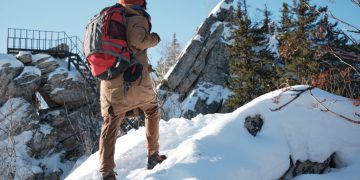




Pennsylvania transforms into a completely different world when winter arrives. The Appalachian ridges turn stark and beautiful, waterfalls freeze into crystalline sculptures, and the forests take on an austere quality that makes every hike feel like a journey into uncharted territory. For those willing to bundle up and venture out, winter hiking in the Keystone State offers rewards that warm-weather trails simply cannot match: solitude, pristine snow-covered landscapes, and the raw satisfaction of challenging yourself against the elements.

But winter hiking isn’t summer hiking with extra layers. The stakes are higher, the preparation more critical, and the margin for error considerably slimmer. This guide will walk you through everything you need to know to explore Pennsylvania’s winter trails safely while experiencing some of the most spectacular hiking the state has to offer.
Why Winter Changes Everything
The same trail you hiked comfortably in July becomes an entirely different beast in January. Daylight hours shrink dramatically—sunset can arrive as early as 5 PM, leaving you with precious little time to complete longer routes. What was once a babbling brook becomes a treacherous ice crossing. That muddy section? Now it’s a slick, frozen hazard waiting to send you sprawling.
Temperature swings in Pennsylvania can be brutal and unpredictable. You might start your hike in reasonable 35-degree weather, only to have the temperature plummet as you gain elevation or as wind chill kicks in on exposed ridges. The state’s position in the Mid-Atlantic means it catches weather systems from multiple directions, creating conditions that can shift from clear skies to whiteout snow in a matter of hours.
Hypothermia becomes a genuine concern, and it doesn’t require subzero temperatures to be dangerous. Most hypothermia cases actually occur in temperatures between 30 and 50 degrees Fahrenheit—precisely Pennsylvania’s typical winter range. Add moisture from sweat, rain, or snow, and your body can lose heat twenty-five times faster than in dry conditions.
Essential Winter Hiking Gear
Your gear list for winter hiking needs to be substantially more comprehensive than your summer setup. Start with the layering system: a moisture-wicking base layer, an insulating mid-layer (fleece or down), and a waterproof, breathable outer shell. Cotton has no place in winter hiking—when it gets wet, it stays wet and will sap your body heat faster than almost any other fabric.
Traction devices are non-negotiable. Microspikes, which slip over your hiking boots and provide aggressive steel spikes, handle most icy trail conditions admirably. For steeper, more technical terrain with significant ice, crampons offer more substantial bite. Don’t make the mistake of thinking you can assess conditions from the trailhead—trails that look fine at lower elevations often become ice rinks as you climb.
Your winter pack should include items you’d never carry in summer. An emergency bivy or space blanket can be lifesaving if you’re forced to spend an unexpected night out. Hand and foot warmers provide not just comfort but insurance against frostbite. A thermos of hot liquid does more than taste good—it helps maintain core temperature when you stop for breaks.
Navigation becomes more challenging in winter. Snow obscures trail markers and blazes. Familiar landmarks disappear under white blankets. GPS devices can experience battery drain in cold weather, so carry backup navigation tools and know how to use them. A map and compass aren’t quaint anachronisms—they’re essential safety equipment that works regardless of temperature or battery life.
Headlamps seem obvious, but many hikers underestimate how early darkness falls in winter. You need a reliable light source with fresh batteries, and carrying backup batteries in an inner pocket keeps them warm and functional. Cold batteries lose charge rapidly, so those batteries that worked fine in your garage might die within an hour on a frozen trail.
Understanding Winter-Specific Hazards
Frostbite can occur faster than most people realize. Your extremities—fingers, toes, ears, and nose—are most vulnerable. The initial sign isn’t pain but numbness and a waxy appearance to the skin. By the time it hurts, you’re already in trouble. Keep an eye on your hiking partners and have them watch you for signs of frostbite on exposed skin.
Ice crossings present one of winter hiking’s most serious hazards. That frozen stream or lake might look solid, but ice thickness can vary dramatically across even small bodies of water. As a general rule, stay off frozen water unless you’re certain it’s safe. Even then, approach with caution. If you must cross, listen for cracking sounds, watch for changes in ice color (white or opaque ice is stronger than clear ice), and never cross in a group—space yourselves out to distribute weight.
Tree wells—the depressions that form around the base of trees in deep snow—pose a particular danger in Pennsylvania’s forested terrain. If you fall into one, the loose, unconsolidated snow can make it extremely difficult to climb out, especially if you’re hiking alone. Stay aware of where trees are and give them adequate space in deep snow conditions.
Avalanche danger in Pennsylvania is minimal compared to western states, but cornices (overhanging lips of snow) can form on ridgelines and present falling hazards. More commonly, widowmakers—dead branches weighted down by snow and ice—can break and fall without warning. Pay attention to what’s above you, especially on windy days or during temperature swings that can loosen snow and ice.
Trail Conditions and Route Selection
Not all trails are equally suited to winter hiking. South-facing slopes receive more sun and tend to have less ice and snow. North-facing slopes hold snow longer and tend to be icier. Trails with significant water crossings become substantially more challenging when creeks are swollen with snowmelt or when you need to cross frozen water.
Ridge trails expose you to wind and weather but often have less snow accumulation than valley trails. However, they also offer no shelter if conditions deteriorate. Valley trails provide more protection from wind but can accumulate deeper snow and may follow watercourses that become hazardous in winter.
Trail maintenance decreases significantly in winter. Many popular summer trails see little to no maintenance from November through March. Blowdowns that would be cleared within days in summer might remain all winter. Budget extra time and energy for navigating around obstacles.
Some Pennsylvania state parks close certain trails or entire areas during winter months. Always check current trail status before heading out. Just because you hiked a trail in summer doesn’t mean it’s accessible or legal to hike in winter.
Pennsylvania’s Premier Winter Hiking Destinations
Ricketts Glen State Park
The park’s 21 waterfalls earn it recognition as one of Pennsylvania’s crown jewels in summer, but winter transforms it into something otherworldly. The Falls Trail—a challenging 7.2-mile loop even in good conditions—becomes a serious winter undertaking. Waterfalls freeze into massive ice formations, creating spectacular scenery that draws photographers and adventurous hikers alike.
However, this trail’s beauty comes with significant risk. The steep, rocky sections beside waterfalls become treacherous ice chutes in winter. Hikers have died here after falling on ice. If you tackle this trail in winter, microspikes are mandatory, and many sections require careful, deliberate movement. Consider hiking only portions of the trail rather than the full loop, and don’t hesitate to turn back if conditions seem dangerous.
For a less extreme but still rewarding winter experience at Ricketts Glen, the Evergreen Trail offers a 1.2-mile interpretive walk that remains relatively manageable in winter conditions while still providing forest scenery and views of Lake Jean.
Pine Creek Gorge (Pennsylvania Grand Canyon)
The 47-mile Pine Creek Rail Trail along the gorge bottom provides excellent winter hiking with spectacular views. Because it follows a former railroad grade, it maintains gentle grades that remain accessible even with snow cover. The West Rim Trail, running along the canyon’s western edge, offers more challenging terrain with stunning overlooks of the snow-covered gorge below.
Leonard Harrison and Colton Point State Parks, at the northern end of the gorge, provide access to overlooks that are particularly striking in winter. The bare trees allow better views of the canyon walls and the frozen creek far below. The Turkey Path Trail from Leonard Harrison descends steeply to the creek—a challenging but rewarding winter hike for those prepared for the icy conditions.
Winter hiking here offers solitude you’ll never experience in summer. The gorge becomes a sanctuary of silence, the only sounds your own breathing and the crunch of snow underfoot. Wildlife tracking becomes excellent—snow reveals the passages of deer, coyotes, and smaller creatures that remain invisible in summer.
Rothrock State Forest
Spread across 96,000 acres in central Pennsylvania, Rothrock offers endless winter hiking options. The Mid State Trail passes through the forest, providing everything from easy day hikes to multi-day backpacking opportunities for winter camping enthusiasts.
Alan Seeger Natural Area, known for its old-growth hemlock forest, becomes magical in winter. The massive trees shelter the trail from wind, and snow clings to the evergreen branches, creating a cathedral-like atmosphere. The 0.7-mile loop remains manageable for less experienced winter hikers while providing a taste of winter hiking’s appeal.
Bear Meadows Natural Area, also within Rothrock, features Pennsylvania’s largest natural bog. The trail around the meadow offers flat, easy walking with unique scenery. In winter, the open meadow provides a stark contrast to the surrounding forest, and the bog’s unique ecosystem reveals itself in different ways under snow cover.
Delaware Water Gap National Recreation Area
Straddling the Pennsylvania-New Jersey border, the Delaware Water Gap provides winter hiking with stunning views of the Appalachian ridge lines. The Mount Tammany Trail—technically on the New Jersey side but easily accessed from Pennsylvania—offers one of the region’s most challenging and rewarding winter hikes.
The steep ascent gains 1,200 feet in just 1.5 miles, and the exposed rock faces become extremely treacherous when icy. However, the summit views across the gap and down the Delaware River valley are spectacular year-round, and winter’s clear, cold air provides exceptional visibility.
On the Pennsylvania side, the Dunnfield Creek Trail offers a more moderate winter hiking experience. The trail follows the creek, passing several small waterfalls that freeze attractively in cold snaps. The 3.5-mile out-and-back provides enough challenge to feel accomplished without the extreme exposure of Mount Tammany.
Hawk Mountain Sanctuary
While famous for fall hawk migration, Hawk Mountain in the Schuylkill County area provides excellent winter hiking. The Lookout Trail climbs to North Lookout, offering panoramic views across the valleys and ridges. At 1.5 miles round-trip with moderate elevation gain, it’s accessible to most hikers while still requiring attention to footing on rocky sections that ice over in winter.
Winter brings different raptors to watch—golden eagles appear regularly from December through March, hunting the ridges and valleys. The combination of hiking and wildlife observation makes this destination particularly appealing for winter enthusiasts who want more than just a walk in the woods.
Safety Protocols and Planning
Never hike alone in winter if you can avoid it. If something goes wrong—a fall, a turned ankle, or simple exhaustion—having a partner can mean the difference between an inconvenience and a tragedy. If you must solo hike, leave detailed plans with someone reliable, including your intended route, expected return time, and instructions on when to call for help.
Check weather forecasts obsessively, but remember that mountain weather can differ dramatically from valley forecasts. If the forecast calls for temperatures in the mid-30s at your home elevation, expect it to be significantly colder at higher elevations. Factor in wind chill—a 25-degree day becomes much more dangerous with 20-mph winds.
Start earlier than you think necessary. Those eight hours of daylight you have in January aren’t just shorter than summer’s fourteen—they include lower-angle sun that provides less warmth. Many experienced winter hikers begin their hikes at or before dawn, using headlamps for the initial trail section to maximize daylight hours for the challenging portions.
Turn back when you need to, even if it means not reaching your goal. Summit fever and destination fixation cause more winter hiking accidents than any other single factor. The trail will be there next week, next month, next year. Your health and safety matter more than any peak or overlook.
Carry more food than you think you’ll need. Cold weather hiking burns significantly more calories than summer hiking. Your body works harder to maintain temperature, and the physical effort of moving through snow adds resistance. Pack calorie-dense foods that won’t freeze solid—nuts, chocolate, and energy bars work well.
Reading Snow and Ice Conditions
Fresh powder looks beautiful but can hide significant hazards. It obscures trail features, making it easy to step off the trail or trip over hidden obstacles. It can also conceal ice underneath—a particularly treacherous combination. Postholing (when your leg punches through soft snow) is exhausting and can lead to injury if your leg gets caught wrong.
Crusty snow that supports your weight without snowshoes is ideal for covering ground quickly, but if you break through occasionally, it becomes exhausting and frustrating. Some hikers prefer snowshoes in these conditions even if they’re not strictly necessary, as the flotation reduces the break-through episodes.
Hard-packed snow and ice require microspikes or crampons. Don’t try to tough it out—you’ll expend enormous energy trying to maintain traction and balance, and eventually, you’ll likely fall. The investment in traction devices pays for itself the first time you confidently walk across a section that would have been treacherous without them.
Watch for glaze ice—the nearly invisible layer of ice that forms on trails after freezing rain or when daytime melting refreezes overnight. This is among the most dangerous conditions you’ll encounter. Microspikes help, but sometimes the only safe approach is to avoid hiking until conditions improve.
Winter Hiking Etiquette and Environmental Considerations
Winter hiking impacts wilderness areas differently than summer hiking. Snowshoe trails should generally be kept separate from ski trails—walking on ski tracks destroys them for skiers. Some trails are designated for specific uses, so respect posted signs.
Wildlife faces extreme stress in winter. Every calorie matters when food is scarce and temperatures are brutal. Don’t approach or disturb animals. If an animal changes behavior because of your presence, you’re too close. Deer that look docile may be on the edge of starvation—the stress of fleeing from you could deplete reserves they can’t spare.
Pack out everything you pack in, just as in summer, but recognize that litter becomes more problematic in winter. That energy gel packet you drop might stay hidden in snow for months, only appearing as an ugly reminder when spring arrives. And no, leaving orange peels or apple cores isn’t acceptable—they take months to decompose in freezing temperatures.
When to Call It Off
Recognizing when conditions exceed your skill level or when environmental factors make hiking dangerous is crucial. Heavy snowfall, freezing rain, extreme cold (below 10 degrees Fahrenheit for most hikers), high winds, or limited visibility all provide valid reasons to postpone or cancel a hike.
If you’re on trail and conditions deteriorate, trust your instincts. Feeling uncomfortable or sensing danger isn’t weakness—it’s your brain processing multiple environmental inputs and warning you. Experienced hikers turn back regularly. The ones who never turn back often have stories of epic survival situations that could have been avoided with better judgment.
The Rewards of Winter Hiking
Despite the challenges and risks, winter hiking offers experiences unavailable in any other season. The silence of a snow-covered forest produces a profound peace. Animal tracks tell stories of nocturnal wanderings and survival strategies. Ice formations create temporary sculptures that will be gone in weeks or days.
You’ll have trails largely to yourself. The crowds that make popular Pennsylvania trails frustrating in summer stay home in winter. You might hike an entire day without seeing another person, experiencing a solitude that’s increasingly rare in our crowded world.
Physical challenges in winter provide a different kind of satisfaction than summer hiking. When you complete a difficult winter hike, you’ve overcome not just the terrain but the environment itself. The hot shower afterward feels better, the warm meal tastes more satisfying, and the sense of accomplishment lingers longer.
Pennsylvania’s mountains aren’t the Rockies or the Cascades. They’re old, worn mountains, more hills than peaks by western standards. But they possess their own beauty and character, particularly in winter when ice and snow create temporary transformations. The accessibility of Pennsylvania’s trails—you’re rarely more than a few hours from civilization—allows you to experience winter wilderness without committing to the extreme remoteness of more dramatic mountain ranges.
Building Your Winter Hiking Skills
Start with shorter, easier trails before progressing to more challenging winter routes. That five-mile summer hike might take twice as long in winter conditions. Build experience gradually, learning how your body responds to cold, how your gear performs, and how to read snow and ice conditions.
Consider taking a winter hiking or mountaineering course. Organizations like the Appalachian Mountain Club offer winter hiking workshops that teach crucial skills in controlled environments. Learning how to self-arrest on ice, how to properly use microspikes and crampons, and how to recognize and respond to hypothermia symptoms could save your life.
Join hiking groups that do winter excursions. Learning from experienced winter hikers accelerates your skill development and provides safer conditions for pushing your boundaries. Many Pennsylvania hiking clubs remain active through winter, offering guided hikes at various difficulty levels.
Final Thoughts
Winter hiking in Pennsylvania isn’t for everyone, and that’s fine. It requires more preparation, more gear, more caution, and more energy than summer hiking. But for those who embrace it, winter hiking provides access to a Pennsylvania that few people ever see—a quiet, stark, beautiful version of the state’s mountains and forests that exists only a few months each year.
The key is respecting winter’s power while not being paralyzed by fear. With proper preparation, appropriate gear, good judgment, and a willingness to turn back when necessary, you can safely explore Pennsylvania’s winter trails and create memories that will last far beyond the season itself.
Every winter hike is different. Some will challenge you to your limits. Others will be peaceful, almost meditative experiences. A few might need to be cut short due to conditions or fatigue. All of them will teach you something—about the natural world, about your capabilities, about what you’re made of when conditions aren’t ideal.
So check your gear, study the forecast, pick an appropriate trail, and get out there. Pennsylvania’s winter mountains are waiting, and they’re spectacular.